

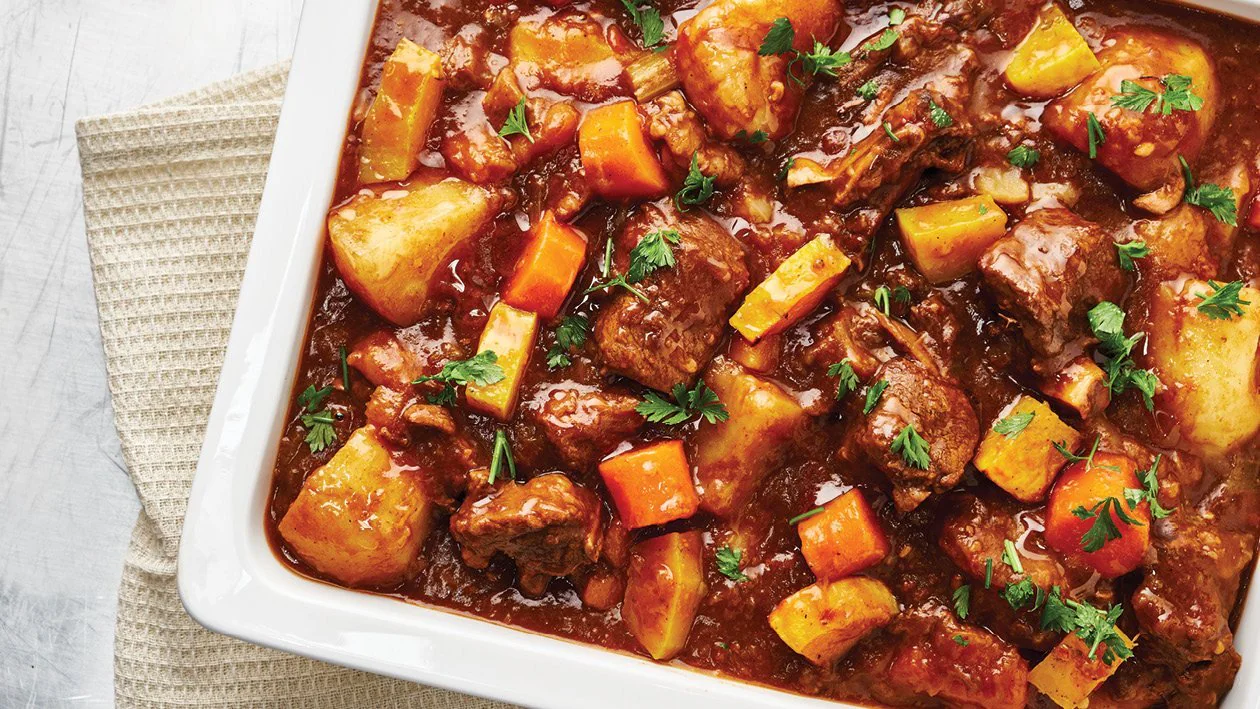
When the temperature drops and daylight shortens, the human body naturally craves warmth, sustenance, and comfort. Few culinary creations fulfill this evolutionary desire quite like a classic beef stew. A staple of rustic home kitchens for centuries, a properly executed stew transforms modest, tough cuts of meat and humble root vegetables into a rich, deeply complex masterpiece. The secret lies not in expensive ingredients, but in the scientific mastery of time, heat, and flavor layering.
Unfortunately, many modern interpretations result in thin, watery broths, chalky beef, or mushy vegetables. Creating a truly exceptional beef stew requires an understanding of how collagen breaks down, how to build a deeply caramelized flavor base, and when to add specific ingredients. This guide outlines the essential techniques and provides a comprehensive recipe to help you master this timeless comfort food.
The Pillars of a Perfect Stew: Ingredient Selection
An extraordinary stew begins with deliberate shopping choices. Substituting ingredients carelessly can compromise the texture and depth of the final dish.
The Meat: Emphasizing Collagen Over Tenderness
The most common mistake is purchasing expensive, lean cuts of beef like sirloin or tenderloin. These cuts become incredibly dry and stringy when subjected to long cooking times. Instead, choose beef chuck roast. The chuck comes from the shoulder region of the animal, a heavily exercised muscle tissue packed with connective tissue and collagen. When simmered slowly over several hours, this tough collagen melts into gelatin. This transformation coats the meat fibers, ensuring the beef becomes melt-in-your-mouth tender while naturally thickening the surrounding broth.
The Aromatic Base and Liquids
-
The Mirepoix: A traditional combination of onions, carrots, and celery serves as the foundational aromatic layer. Sautéing these vegetables slowly coaxes out their natural sugars.
-
The Deglazing Liquid: A dry, full-bodied red wine like Cabernet Sauvignon, Merlot, or Pinot Noir is essential. The acidity in the wine cuts through the heavy fat of the beef, while the tannins add depth.
-
The Broth: High-quality, low-sodium beef bone broth provides a gelatinous body that water or standard bouillon cubes cannot match.
The Master Recipe
Ingredients
-
3 pounds beef chuck roast, cut into 1.5-inch cubes
-
3 tablespoons all-purpose flour
-
3 tablespoons olive oil or rendered bacon fat
-
1 large yellow onion, diced
-
3 cloves garlic, minced
-
2 tablespoons tomato paste
-
1 cup dry red wine
-
4 cups beef bone broth
-
2 bay leaves
-
4 sprigs fresh thyme
-
1 pound Yukon Gold potatoes, scrubbed and cut into 1-inch chunks
-
4 large carrots, peeled and sliced into thick rounds
-
2 stalks celery, sliced into half-inch pieces
-
1 cup frozen peas (optional)
-
Kosher salt and freshly cracked black pepper
Step 1: Prep and Sear the Beef
Remove the cubed chuck roast from the refrigerator thirty minutes before cooking to bring it to room temperature, ensuring an even sear. Pat the beef completely dry with paper towels; moisture creates steam, which prevents caramelization. Season the meat generously with kosher salt and black pepper, then toss it lightly in the flour.
Heat the oil or bacon fat in a large, heavy-bottomed Dutch oven over medium-high heat. Add the beef in a single layer, leaving ample space between the pieces. Working in batches is crucial; overcrowding the pan lowers the temperature and causes the meat to boil in its own juices rather than brown. Sear the beef undisturbed for three to four minutes per side until a deep, dark brown crust develops. Remove the seared beef and set it aside on a plate.
Step 2: Build the Aromatic Foundation
Turn the heat down to medium. Add the diced onion and celery to the fat remaining in the pot. Cook for five minutes, stirring frequently, until the vegetables soften and become translucent. Add the minced garlic and tomato paste. Stir continuously for two minutes, allowing the tomato paste to darken to a brick-red color. This process caramelizes the natural sugars in the tomato, eliminating raw acidity and introducing a rich, savory quality known as umami.
Step 3: Deglaze the Pot
Pour the red wine into the pot. Use a wooden spoon to vigorously scrape up the dark, stuck bits at the bottom of the pan, known as the fond. These browned remnants are concentrated pockets of caramelized beef proteins and flour that add massive flavor to the liquid. Simmer the wine for three to four minutes until it reduces by half and the alcohol aroma dissipates.
Step 4: The Slow Braise
Return the seared beef and any accumulated juices to the Dutch oven. Pour in the beef bone broth, ensuring the liquid completely submerges the meat. Tie the fresh thyme sprigs and bay leaves together with kitchen twine and drop them into the pot. Bring the liquid to a gentle boil, then immediately lower the heat to the absolute lowest setting to maintain a bare simmer. Cover the pot tightly with the lid. Let the stew simmer undisturbed for one hour and forty-five minutes.
Step 5: Incorporating the Root Vegetables
After the initial simmer, the beef should begin to show signs of tenderness. Add the potato chunks and carrot rounds to the pot, stirring gently to submerge them in the liquid. Cover the pot again and continue simmering for an additional thirty to forty-five minutes. The stew is ready when both the vegetables and the beef are easily pierced with a fork.
Step 6: The Final Adjustments
Remove the bundle of thyme sprigs and bay leaves. If using peas, stir them in during the final two minutes of cooking just until they heat through and turn bright green. Taste the broth and adjust the seasoning with additional salt and pepper if necessary. Let the stew rest uncovered for ten minutes before serving; this cooling period allows the liquid to thicken slightly and reabsorb into the meat fibers.
Technical Tips for Stew Mastery
-
Maintain a Gentle Simmer: Never let a stew maintain a hard boil. High heat causes the protein fibers in the beef to contract violently, squeezing out moisture and leaving the meat tough and leathery, regardless of how long it cooks.
-
Choose the Right Potatoes: Yukon Gold or red-skinned potatoes hold their structural integrity beautifully over long cooking periods. Avoid high-starch baking potatoes like Russets, as they tend to dissolve entirely, making the stew grainy.
-
Avoid Over-Thickening Early: The light dusting of flour on the beef, combined with the natural starches released by the potatoes, should create a perfectly velvety broth. If you prefer an exceptionally thick gravy, mix a tablespoon of cornstarch with two tablespoons of cold water to create a slurry, stir it into the boiling stew during the final five minutes, and watch it thicken instantly.
Frequently Asked Questions
Can I make this beef stew ahead of time?
Beef stew tastes significantly better the following day. As the stew cools down overnight in the refrigerator, the fats, proteins, and aromatics continue to meld and mature, creating a more harmonious, deeply unified flavor profile. Simply store the cooled stew in an airtight container, and reheat it gently over low heat on the stovetop when ready to serve.
What can I substitute for the red wine if I prefer not to cook with alcohol?
If you want to avoid alcohol, replace the red wine with an equal volume of high-quality beef broth mixed with one tablespoon of Worcestershire sauce and one tablespoon of apple cider vinegar or fresh lemon juice. The vinegar provides the necessary acidity required to break down the heavy fats and mimic the structural function of the wine.
Why is my stew meat still tough after cooking for two hours?
If the chuck roast is still tough, it simply means the connective tissue has not finished breaking down yet. Do not panic or increase the heat. Cover the pot and allow it to simmer for another fifteen to thirty minutes. Every piece of meat varies slightly in density, and patience is key to achieving total tenderness.
How do I store and freeze leftover beef stew?
Allow the stew to cool completely to room temperature before transferring it to heavy-duty, airtight freezer bags or plastic containers. Label the containers with the date; beef stew freezes beautifully for up to three months. To serve, thaw the container in the refrigerator for twenty-four hours before reheating gently on the stovetop.
Why do my carrots turn mushy, and how do I fix it?
Carrots turn mushy when they are added to the pot too early in the cooking process. Root vegetables only require thirty to forty-five minutes to reach optimal tenderness. Always add your carrots and potatoes during the final leg of the braise, rather than cooking them from the very beginning with the meat.
Is it necessary to peel Yukon Gold potatoes for a stew?
Peeling Yukon Gold potatoes is entirely optional. These potatoes feature very thin, delicate skins that soften beautifully during the cooking process and add an appealing, rustic texture to the dish. Simply wash and scrub the skins thoroughly with a vegetable brush before dicing them.
