

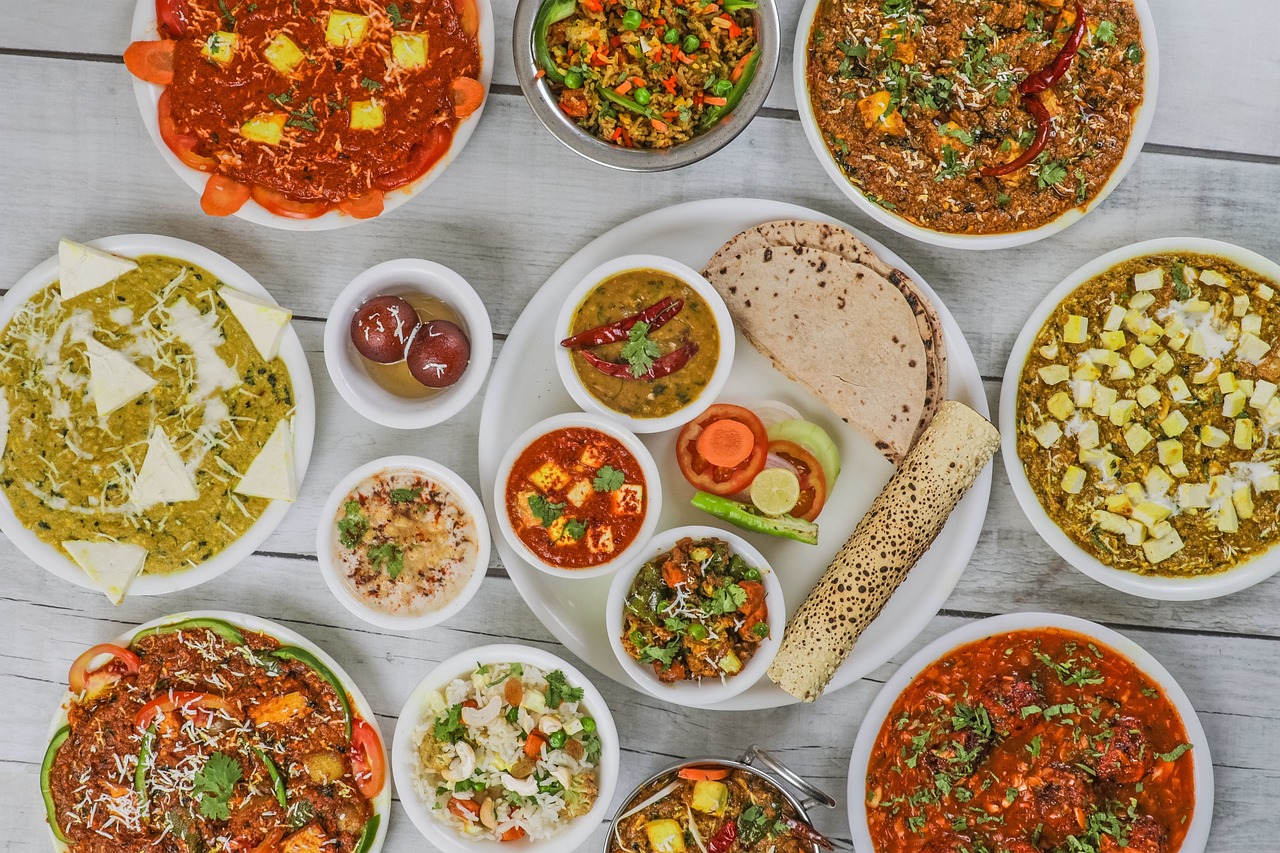
Food is far more than a source of physical sustenance. It serves as a living archive of human history, an expression of cultural identity, and a reflection of regional ecology. For centuries, traditional cuisines developed slowly, shaped by local agricultural seasons, indigenous ingredients, and time-honored cooking methods passed down through generations. The act of preparing a traditional meal was inherently communal, rooted in domestic routines and cultural rituals.
The Mechanics of Global Food Homogeneity
The proliferation of international fast food chains relies on an operational model designed for absolute uniformity. Whether a consumer buys a burger in Chicago, Tokyo, or Cairo, the flavor profile, texture, and presentation remain remarkably identical.
Industrialization of the Palate
This aggressive consistency is achieved through advanced food science and heavily centralized supply chains. Ingredients are highly processed, frozen, and shipped across continents to be rethermalized at local franchises. To maximize broad consumer appeal, fast food formulas rely heavily on elevated combinations of sugar, sodium, and trans fats. These elements trigger immediate neurological reward centers, effectively engineering a universal craving that bypasses regional taste preferences. As a result, younger generations are increasingly socialized to prefer these engineered, standardized flavors over the complex, bitter, or sour notes characteristic of their local ancestral dishes.
The Disruption of Agricultural Diversity
Traditional cooking relies on a biodiverse array of regional crops, heirloom grains, and native livestock breeds. Conversely, the fast food industry demands vast quantities of uniform raw materials. To supply global franchises, agricultural systems have shifted toward massive monoculture farming. A select few varieties of potatoes, corn, and soy dominate the agricultural landscape, forcing out localized, resilient crop variations. This shifts consumer demand away from regional farmers who cultivate indigenous ingredients, undermining the economic viability of small-scale sustainable farming networks that keep traditional recipes alive.
Culinary Displacement and the Loss of Food Knowledge
As convenience culture cements its status in urban centers worldwide, the domestic transmission of culinary knowledge experiences a steep decline. Traditional dishes often require extensive preparation times, complex knife skills, and intimate knowledge of fermentation, curing, or slow-roasting techniques.
The Erosion of Kitchen Literacy
In fast-paced, industrial societies, time has become a premium commodity. The convenience of ready-made, affordable fast food disincentivizes home cooking. When individuals rely primarily on commercial food preparation, fundamental kitchen literacy disappears. A generational gap emerges where young adults no longer know how to clean fresh produce, butcher regional meats, or balance spices without pre-packaged assistance. Once these experiential skills are lost across two consecutive generations, the ability to authentically reproduce complex traditional recipes vanishes permanently.
Devaluation of Festive and Ritual Dining
In many cultures, traditional food is deeply intertwined with spiritual, seasonal, and familial milestones. Specific breads, slow-cooked stews, or intricate pastries are prepared exclusively for weddings, harvests, or religious holidays. Fast food culture promotes a highly utilitarian view of consumption, treating eating as a solitary task to be completed as quickly as possible. When highly processed convenience items begin replacing ritual foods during communal celebrations, the deeper cultural narratives and societal bonds attached to dining are systematically diluted.
The Glocalization Paradox: Adaptation or Dilution?
To successfully penetrate foreign markets, multinational fast food corporations frequently employ a strategy known as glocalization. This involves modifying standardized corporate menus to incorporate familiar local flavors or dietary restrictions.
Hybrid Menus and Cultural Rebranding
Examples of glocalization include offering spicy paneer burgers in India, teriyaki rice bowls in Japan, or local flatbread wraps in the Middle East. While corporate marketing frames these hybrid items as a celebration of local culture, critics argue they represent a superficial commodification. By reducing complex, nuanced regional flavor profiles into a highly processed fast food format, the true depth of the traditional culinary technique is lost. The local ingredient becomes merely a novelty flavor additive in an industrialized system.
The Rise of Corporate Food Tourism
Glocalization has also altered how domestic populations perceive their own food heritage. In some developing economies, dining at an international fast food franchise is viewed as a status symbol representing modernity and upward mobility. Traditional eateries, by contrast, are occasionally stigmatized as outdated or unhygienic. This shift in social prestige directs local capital away from family-run traditional restaurants, accelerating their closure and leaving urban environments saturated with homogeneous fast food options.
The Counter-Movement: Preserving Food Heritage
The profound threat to culinary diversity has sparked a powerful global counter-movement aimed at reclaiming and protecting traditional food systems.
The Slow Food Movement
Originating in Italy as a direct protest against the opening of a fast food franchise near historic landmarks, the Slow Food movement has evolved into a global advocacy network. The organization promotes:
-
Culinary Heritage Preservation: Cataloging endangered heirloom crops, traditional cheeses, and historic recipes through initiatives like the Ark of Taste.
-
Localization of Supply Chains: Encouraging direct partnerships between consumers, traditional chefs, and regional clean farmers.
-
Taste Education: Implementing school programs that teach children to identify fresh, whole ingredients and value regional food history.
The Rebirth of Heritage Gastronomy
Simultaneously, a new generation of culinary professionals is utilizing modern technique to revitalize ancient traditions. Elite chefs worldwide are deliberately eschewing globalized luxury products in favor of hyper-local, foraged, and indigenous ingredients. By elevated presentation of ancestral cooking styles on the global stage, these chefs demonstrate that traditional cuisines are not static artifacts of the past, but dynamic, evolving arts capable of competing with modern industrial food culture.
Frequently Asked Questions
What is the distinction between fast food culture and traditional street food?
While both offer speed and convenience, their underlying socioeconomic models are completely different. Fast food culture relies on corporate standardization, ultra-processed factory ingredients, and profit maximization for multi-national entities. Traditional street food, conversely, is prepared by local independent vendors utilizing regional recipes, whole fresh ingredients sourced from local markets, and distinct handmade techniques that reflect the specific neighborhood culinary ecosystem.
How does the fast food shift impact public health in developing nations?
The transition away from nutrient-dense traditional diets toward calorie-heavy fast food has triggered a global public health crisis known as the double burden of malnutrition. Many developing nations now face high rates of undernutrition alongside skyrocketing rates of obesity, type 2 diabetes, and cardiovascular diseases, as traditional fiber-rich, vegetable-forward meals are replaced by refined carbohydrates and industrial seed oils.
Can traditional cuisines adapt to modern busy lifestyles without losing their authenticity?
Yes, adaptation is possible through modern component preparation and kitchen technology. Utilizing tools like pressure cookers or preparing large batches of complex traditional base sauces over the weekend allows modern households to cook authentic regional meals quickly during the busy workweek, bridging the gap between convenience and heritage.
How does monoculture farming for fast food impact environmental stability?
Monoculture farming strips the soil of vital nutrients, requiring heavy applications of synthetic fertilizers and chemical pesticides to maintain yields. This processes destroys local biodiversity, compromises groundwater quality, and leaves global food supplies highly vulnerable to catastrophic crop diseases that can wipe out an entire uniform variety instantly.
Why do younger generations find fast food culture more appealing than traditional dining?
Fast food brands invest billions in sophisticated marketing campaigns targeted directly at youth culture, linking their products with modern entertainment, pop culture, and social status. Additionally, the high sugar, salt, and fat content provides immediate sensory gratification, making subtler, complex traditional flavor profiles seem less exciting to uncultivated palates.
What role does UNESCO play in protecting traditional food systems?
UNESCO protects vital culinary heritages by inscribing specific regional food cultures onto its Representative List of the Intangible Cultural Heritage of Humanity. Traditional food systems like the Mediterranean diet, traditional Mexican cuisine, and Japanese Washoku receive official global recognition, prompting national governments to fund preservation, education, and sustainable agricultural initiatives.
